
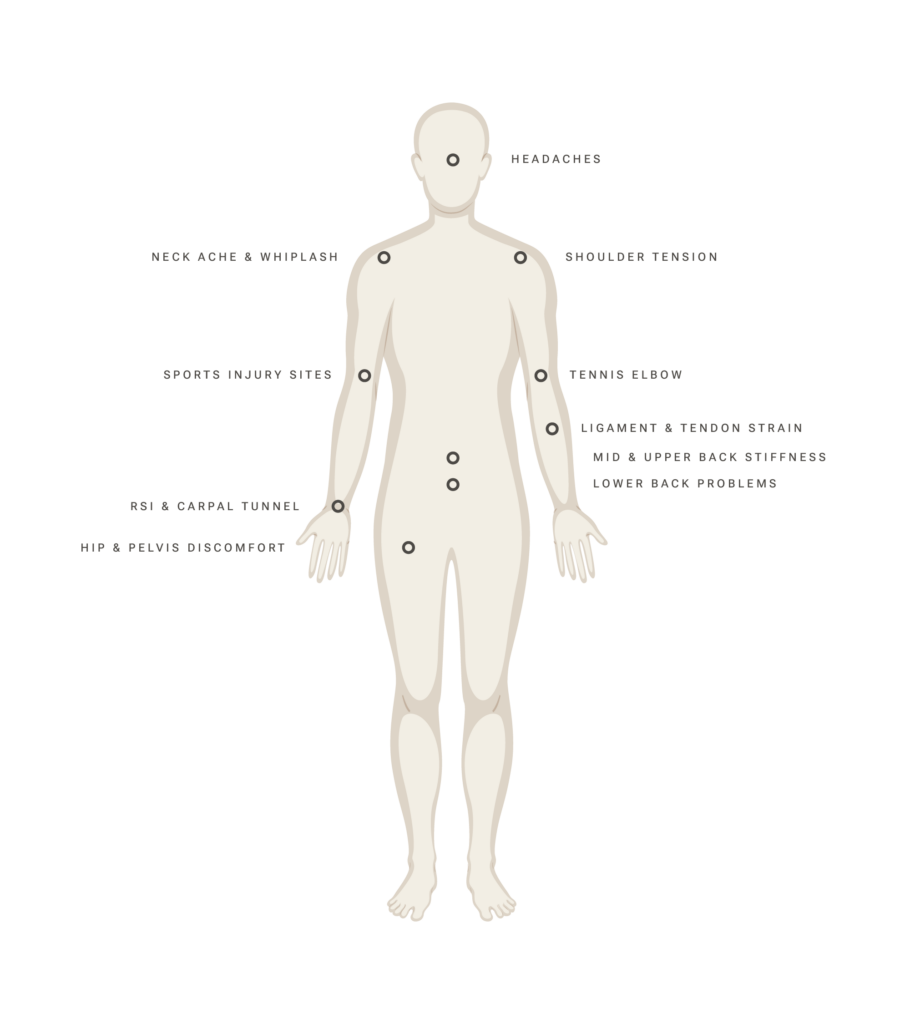
From easing the body’s most stubborn tension points to helping athletes recover and perform, regular massage is one of the most overlooked tools for long-term wellbeing.
ost of us treat massage as an occasional indulgence, something booked for a birthday or a particularly brutal week. But ask anyone who has made it a regular part of their routine, and they’ll tell you it stopped feeling like a treat fairly quickly. It became maintenance. The same way you wouldn’t skip servicing a car you rely on daily, the body that carries you through every training session, work deadline and sleepless night deserves the same consistent care. At DMD Fusion, sport and remedial massage is where that care happens.
Massage therapy works on the body in layers. On the surface, it eases tight, overworked muscle tissue. Beneath that, it improves circulation, helping oxygen and nutrients reach tissue that has been starved of both by stress, poor posture, or repetitive strain. And beneath that still, it speaks directly to the nervous system, shifting the body out of a state of chronic alert and into one of genuine rest.
This is why the benefits of massage rarely stay contained to the area being worked on. A session focused on the shoulders and neck often leaves people sleeping better that night. A treatment aimed at lower back tension frequently eases a headache that had nothing to do with the back at all. The body, it turns out, is far more interconnected than we tend to give it credit for.
For anyone training seriously, whether that’s weekend trail runs or competitive sport, massage is not a luxury bolted onto a programme. It is part of the programme. Hard training breaks muscle fibre down, and that breakdown needs to be matched with equally deliberate recovery, or performance starts to plateau and injuries start to creep in.
Sport massage targets exactly this. By easing the build-up of tension before it turns into a strain, and by improving blood flow to fatigued muscle groups, regular sessions allow athletes to train harder, more often, and with a lower risk of the nagging injuries that come from chronic overuse.
Improved circulation helps clear metabolic waste from muscle tissue between sessions.
Addressing tension early reduces the likelihood of strain-related injury down the line.

We discuss what's bothering you, your activity levels, and any areas needing particular focus.

Your therapist identifies areas of tension, restricted movement, or scar tissue before beginning.

A blend of sport and remedial techniques tailored to your goals, whether that's relief, recovery, or performance.

You leave with guidance on hydration, stretching, or follow-up frequency to extend the benefit of your session.
Everything you need to know before booking your first session:
Sport massage is generally geared toward training, performance and injury prevention for active bodies, while remedial massage focuses on correcting specific issues such as chronic tension or restricted movement. We often blend both within a single session.
Once every three to four weeks is a good starting rhythm for general stress relief and maintenance. Those managing chronic tension or training heavily often benefit from more frequent sessions.
Yes. Regular massage supports performance by improving circulation, increasing range of motion, releasing excess tension and speeding recovery, allowing more consistent training with less injury risk.
The neck, shoulders, upper back and lower back are the most common areas, often linked to posture and stress. Hips, forearms and calves are also frequent problem spots for athletes.
Not at all. While massage is highly effective for sports recovery and pain relief, it’s equally valuable as a preventative wellness practice supporting better sleep and lower stress.
Book a sport or remedial massage session at DMD Fusion in Bedfordview, and give your body the consistent care it’s asking for.